
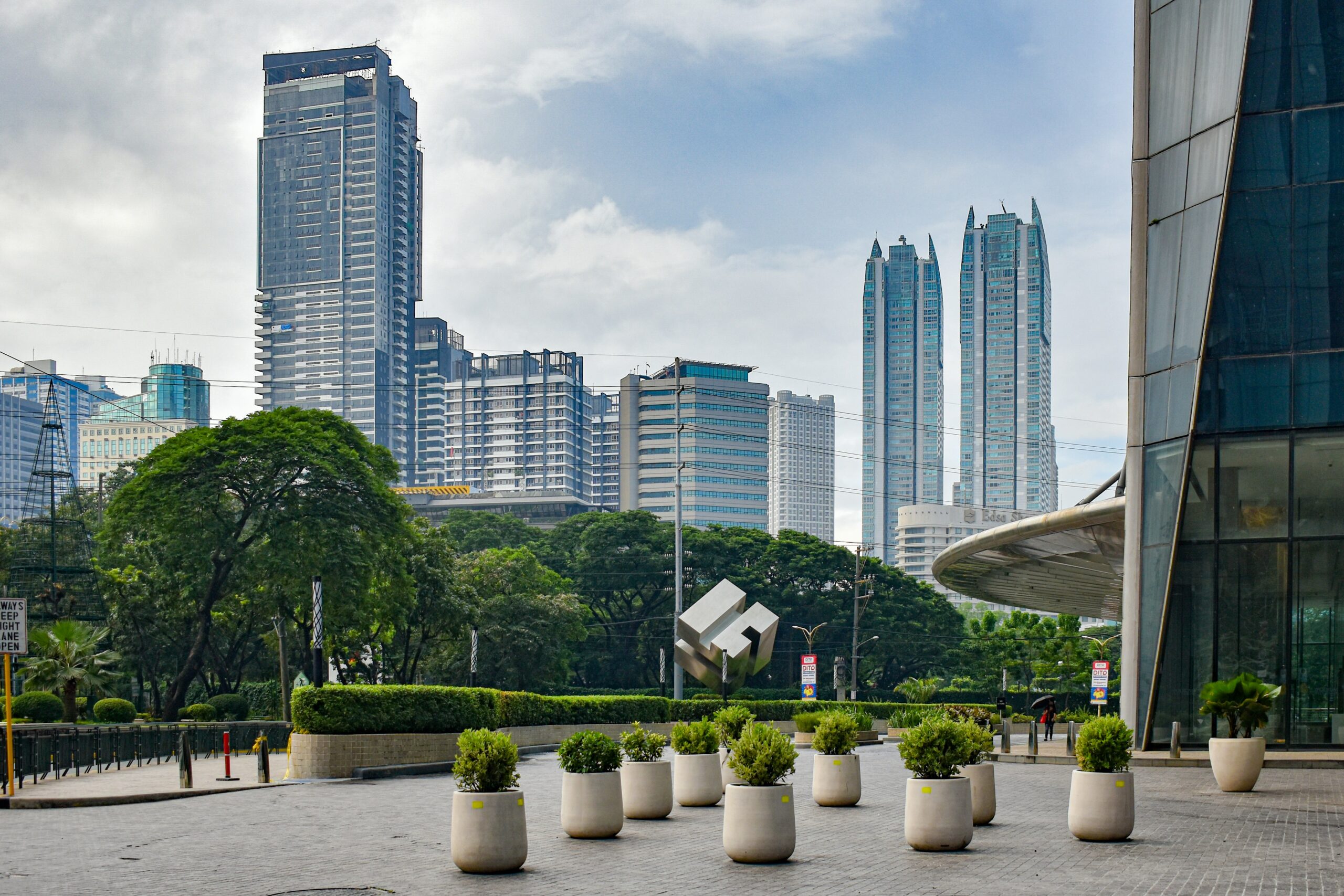
Real Estate Investment Philippines: Commercial Properties Guide
So, you’re looking at the Philippines and thinking, “Is this where I put my money?” Short answer: Yes. But before you go dropping millions on a shiny glass tower in Makati or a warehouse in Laguna, you need to know the landscape.
The Philippine economy isn’t just surviving; it’s pushing forward. With a massive young population, a booming outsourcing (BPO) sector, and a serious “revenge spending” culture in retail, commercial real estate is the playground of the big hitters. But don’t let the skyscrapers intimidate you. Whether you’re a local entrepreneur or a foreign investor looking for a REIT (Real Estate Investment Trust), the opportunities are massive.
Why Invest in Philippine Commercial Real Estate Now?
The question isn’t “why,” it’s “where have you been?” The Philippines has consistently been one of the fastest-growing economies in Southeast Asia.
- BPO Dominance: The IT-BPO industry is the backbone of office demand. As long as the world needs tech support, coding, and back-office work, Philippine office spaces will stay occupied.
- Infrastructure Boom: The “Build, Better, More” program is connecting provinces to Manila. Better roads mean land value spikes in previously “hidden” areas.
- Consumer Culture: Filipinos love malls. It’s not just shopping; it’s a lifestyle. Retail spaces in high-foot-traffic areas are gold mines.
- REIT Opportunities: You don’t need to buy a whole building anymore. REITs allow you to own a piece of the pie with much lower capital.
Types of Commercial Properties in the Philippines
When we talk about Real Estate Investment Philippines: Commercial Properties Guide, we have to break down what you’re actually buying. Not all “commercial” property is created equal.
1. Office Spaces
This is the big one. Traditional offices are still strong, but the BPO sector is the real king. Look for “PEZA-accredited” buildings. These offer tax incentives to tenants, making your property much more attractive to international corporations.
2. Retail Spaces
From “shophouses” in the provinces to units in massive malls like SM or Ayala. Retail is resilient here because the culture is social. If you find a spot near a transport hub, the rental yield is usually incredibly stable.
3. Industrial and Logistics
Thanks to e-commerce (Lazada and Shopee), everyone needs a warehouse. Industrial parks in Cavite, Laguna, and Batangas are seeing huge demand. This is arguably the most “underrated” sector in Philippine real estate right now.
4. Hospitality (Hotels and Resorts)
With tourism bouncing back, boutique hotels in Palawan, Siargao, and Boracay are back on the radar. Even “condotels” in the city are making a comeback for business travelers.
Top Locations for Commercial Investment
If you’re hunting for the best ROI, you have to look at the “Big Three” and the emerging “Next Wave” cities.
| City | Primary Draw | Best Property Type |
|---|---|---|
| Makati CBD | The Financial Heart | Premium Office / Luxury Retail |
| BGC (Taguig) | Modern Infrastructure | Tech Hubs / High-end Lifestyle |
| Ortigas Center | Central Location | Mixed-use / BPO Offices |
| Cebu City | The Queen City of the South | IT Parks / Industrial |
| Clark (Pampanga) | The Future Hub | Logistics / Airport-related |
How to Invest: The Legal Essentials
Let’s be real—the legal side can be a headache if you don’t know the rules. In the Philippines, land ownership is generally reserved for Filipino citizens. However, there are workarounds for foreign investors:
- Corporations: A Philippine corporation (at least 60% Filipino-owned) can own land.
- Condominium Titles: Foreigners can own 100% of a unit in a commercial condominium, provided the building’s foreign ownership doesn’t exceed 40%.
- Long-term Leases: You can lease land for up to 50 years, renewable for another 25. This is common for factory and warehouse setups.
- REITs: This is the easiest way. Buy shares of a Real Estate Investment Trust on the Philippine Stock Exchange (PSE). You get dividends without the hassle of property management.
What are the Risks of Commercial Real Estate in the Philippines?
It’s not all sunshine and dividends. You need to be aware of the “red flags” before signing any contracts.
- Oversupply in Office Space: With some companies moving to hybrid work, there is a temporary glut of office space in some areas. Stick to prime locations.
- Bureaucracy: Getting permits for commercial construction can take time. Patience (and a good local consultant) is key.
- Natural Disasters: The Philippines is in the typhoon belt. Always check the flood history of a location and ensure your building is earthquake-resistant.
- Interest Rates: Like everywhere else, fluctuating interest rates affect borrowing costs. Keep a close eye on the Bangko Sentral ng Pilipinas (BSP) announcements.
Step-by-Step Guide to Buying Commercial Property
- Define Your Goal: Are you looking for monthly rental income (yield) or long-term value increase (capital appreciation)?
- Due Diligence: Never skip this. Verify the “Transfer Certificate of Title” (TCT) at the Register of Deeds. Make sure it’s clean of any liens or encumbrances.
- Check Zoning: Ensure the land is actually zoned for commercial use. You don’t want to buy a lot only to find out you can’t build a warehouse on it.
- Secure Financing: Banks like BDO, BPI, and Metrobank offer commercial loans, but they usually require at least 20-30% down payment and proof of business stability.
- Property Management: Unless you live there, you’ll need a team to handle maintenance and tenant relations.
The Verdict: Is it Worth It?
If you have the capital, commercial real estate in the Philippines offers much higher ceilings than residential. While a condo might give you 3-5% yield, a well-placed commercial unit can hit 7-9% plus the increase in land value.
The strategy for 2026 is clear: Go where the infrastructure is going. Follow the new subway lines, the new airports, and the BPO hubs. Don’t just buy a building; buy a location that businesses need to be in.
The Philippine market is vibrant, loud, and full of potential just like its people. If you play your cards right, you aren’t just buying property; you’re buying a stake in the fastest-growing corner of Asia.