
Money Matters in the Philippines: Your Complete Guide to Currency, Exchange, and Payments
Visitors to the Philippines need local cash (PHP) despite the rise of digital wallets, which are used by over 80 million Filipinos for everything from market purchases to investments.
Understanding money matters in the Philippines is essential for a smooth trip, whether you’re visiting the bustling streets of Manila or the serene beaches of Palawan. This guide cuts through the complexity to give you clear, actionable advice on handling Philippine Pesos, finding the best exchange rates, and navigating the country’s unique mix of digital and cash-based payment systems.
The Philippine Peso: Your Essential Local Currency
The official currency is the Philippine Peso, abbreviated as PHP and symbolized by ₱. Each peso is divided into 100 centavos.
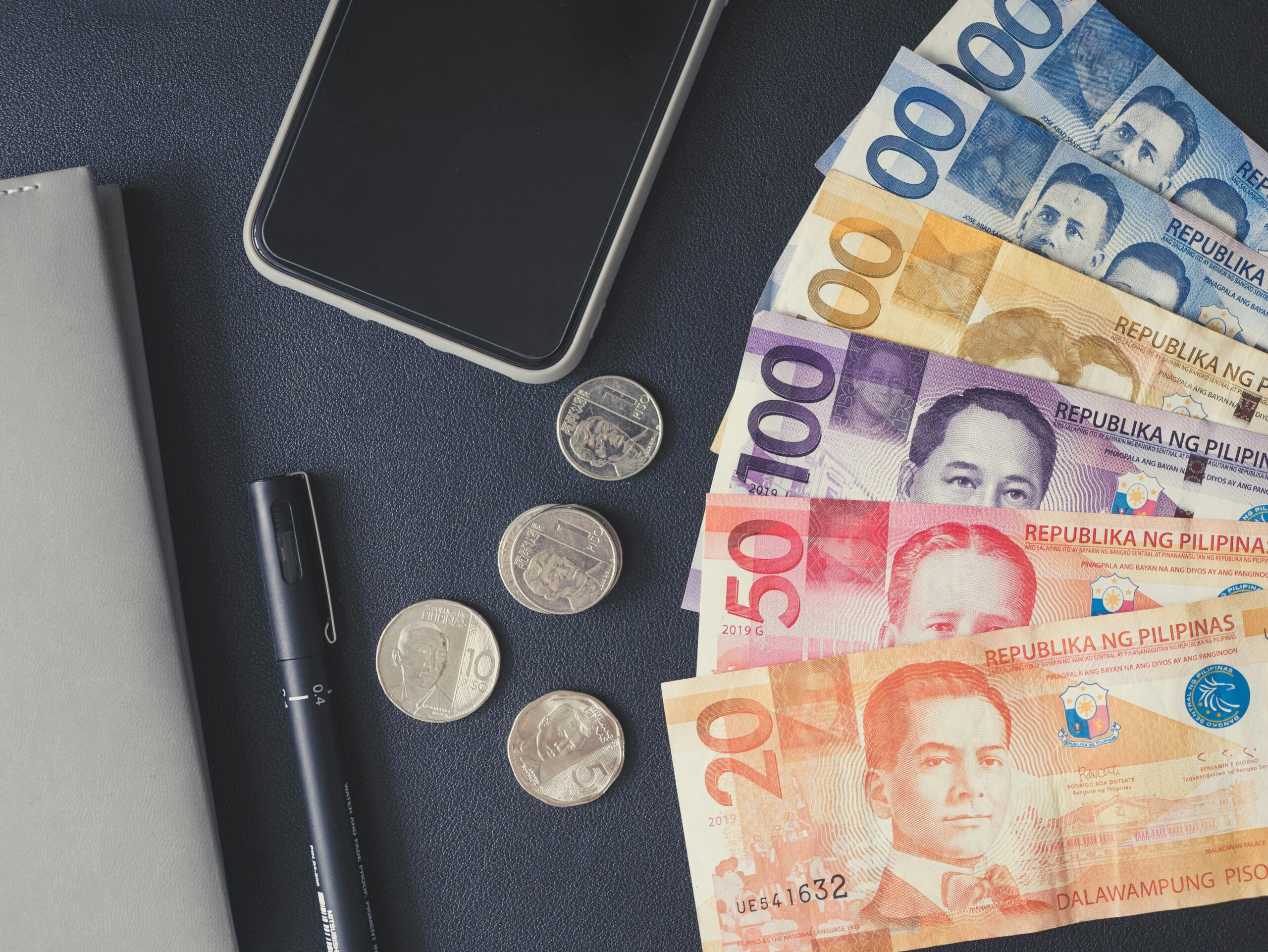
Banknotes and Coins in Circulation:
- Banknotes: You’ll commonly use notes in denominations of 20, 50, 100, 500, and 1000 pesos. The 200-peso note exists but is used less frequently.
- Coins: Look for 1, 5, and 10-peso coins. Smaller centavo coins (1, 5, 10, 25) are still issued but are becoming rare in daily transactions.
A Quick Tip: Always check your bills. The Philippines recently updated its banknote designs. While the old series is no longer legal tender, ensuring you receive the newer notes will prevent any issues when spending.
Understanding and Finding the Best Exchange Rates
The value of the Peso fluctuates. As of late January 2026, the exchange rate hovered around 59.35 PHP to 1 USD. It’s useful to know the mid-market rate—the real rate banks use to trade among themselves—to spot a fair deal.
Practical Exchange Tips for Travelers:
- Exchange Upon Arrival: Rates outside the Philippines are often less favorable. Exchange a small amount before you leave for immediate expenses (like a taxi), but do the bulk of your exchange in the country.
- Avoid Airport/Hotel Counters: Convenience comes at a cost. The high rents at these locations mean you get poorer rates.
- Use ATMs Strategically: Withdrawing local currency from a bank ATM often provides a good rate. Always choose to be charged in Philippine Pesos (PHP) to avoid expensive Dynamic Currency Conversion (DCC) fees.
- Beware of “Zero Commission” Traps: This often means the fee is hidden in a worse exchange rate. Compare the offered rate to the live mid-market rate using a currency converter app.
- Keep Bills Pristine: Damaged, torn, or heavily marked bills may be refused by merchants and currency exchangers.
How to Pay: Digital Wallets, Cards, and Cash
The Philippines boasts one of Southeast Asia’s most dynamic digital payment landscapes, yet cash remains king in many situations.
The Digital Wallet Revolution. Digital wallets have exploded in popularity, driven by high smartphone use and government initiatives. They’re essential for everything from paying at street markets to splitting bills.
Here’s a quick guide to the top options:
| Wallet | Best For | Key Feature |
|---|---|---|
| GCash | Everyday universal use | Over 90M users, accepted almost everywhere |
| Maya | Savings & banking services | High-interest savings accounts, crypto trading |
| ShopeePay | E-commerce & online shopping | Cashback and vouchers on the Shopee platform |
| GrabPay | Ride-hailing & food delivery | Integrated with the Grab app for transport/food |
Credit/Debit Card Use Major hotels, restaurants, and malls in cities accept international cards (Visa, Mastercard). However, always carry cash as a backup. Smaller local businesses, family-run shops (sari-sari stores), and transportation like jeepneys often operate on a cash-only basis.
Crucial Card Advice:
- Notify Your Bank: Inform your bank of your travel plans to prevent your card from being blocked for “suspicious” overseas activity.
- Always Pay in PHP: When prompted by a terminal or ATM to charge you in your home currency (DCC), always decline. You will get a much better rate by letting your home bank handle the conversion.
- Use Secure ATMs: Opt for machines located inside bank lobbies to minimize the risk of skimming.
Sending Money to and from the Philippines
For overseas Filipinos supporting family or travelers needing to move funds, understanding remittances is key.
For Sending Money to the Philippines:
- Compare Services: Don’t default to your bank. Specialist online money transfer companies often offer better exchange rates and lower fees.
- Understand the Total Cost: Look at both the transfer fee and the exchange rate. A “free transfer” might use a poor rate.
- Delivery Options: Funds can typically be sent directly to a local bank account, a mobile wallet (like GCash), or for cash pickup at a wide network of locations.
For Sending Money from the Philippines:
- Central Bank Rule: Be aware that any individual converting and transferring more than 50,000 PHP to a foreign currency requires prior written approval from the Central Bank of the Philippines.
Final Tips for Smart Financial Management
- Carry Small Bills: Having plenty of 20, 50, and 100-peso notes is invaluable for small purchases, tips, and transportation where drivers may not have change for a large 1000-peso bill.
- Embrace the Digital Shift: Download a wallet like GCash or Maya. It’s the way most locals pay and can be incredibly convenient for bills, groceries, and even sending money to new friends.
- Monitor the Rate: If you’re exchanging large amounts or sending remittances, use a reliable financial site to track the USD/PHP or EUR/PHP trend to choose a good time.
Mastering money matters in the Philippines by blending ready cash with savvy use of digital tools will let you focus on what truly matters: enjoying the rich culture, stunning landscapes, and famous hospitality of the Filipino people. From the peso in your pocket to the QR code on your phone, being prepared ensures your journey is as financially smooth as it is memorable.