
Safety Tips for Traveling in the Philippines: Your Complete Guide
You’re planning a trip to the Philippines, and honestly, you should be excited. We’re talking about some of the most stunning beaches on the planet, incredibly warm people, and food that’ll make you want to extend your stay. But here’s the thing, like anywhere else in the world, you need to know how to stay safe while you’re soaking it all in.
Understanding Safety in the Philippines
The first question everyone asks: Is the Philippines actually safe for travelers? Let me be straight with you. The Philippines is generally safe for tourists, but like any travel destination, it has its challenges. Millions of travelers visit every year and have absolutely incredible experiences. The key is being smart, staying aware, and following proven safety guidelines.
Here’s what you need to know upfront. Most tourist areas, such as Boracay, Palawan, Siargao, and Cebu, are very safe. The locals depend on tourism, and they genuinely want you to have a great time. Crime against tourists occurs, but it’s relatively rare when compared to the number of visitors. The real risks? Petty theft, transportation accidents, and natural disasters. All of these are manageable with the right preparation.
Money and Valuables Protection
Let’s talk about your stuff first, because losing your passport or getting pickpocketed can ruin your entire trip.
Keep Your Valuables Secure
Never, and I mean never, flash expensive jewelry, watches, or gadgets in public spaces. Manila, Cebu, and other major cities have pickpockets who specifically target distracted tourists. Your iPhone 15 Pro Max? Keep it in your pocket, not waving around for Instagram stories in crowded markets. Use a money belt or hidden pouch for your passport, extra cash, and credit cards. Only carry what you need for the day.
Split your money across different locations. Don’t put all your cash in one wallet. If someone does grab your bag, you’ll still have emergency funds. ATMs are everywhere in cities, so you don’t need to carry huge amounts of cash anyway.
Hotel Safe Usage
Use the hotel safe, seriously. Most hotels in the Philippines have in-room safes, and if they don’t, the front desk will store your valuables. Original passports, extra credit cards, flight tickets, and large amounts of cash should be locked up when you’re out exploring. Take photos of all your important documents and email them to yourself—this saves you if originals get lost.
Transportation Safety Tips
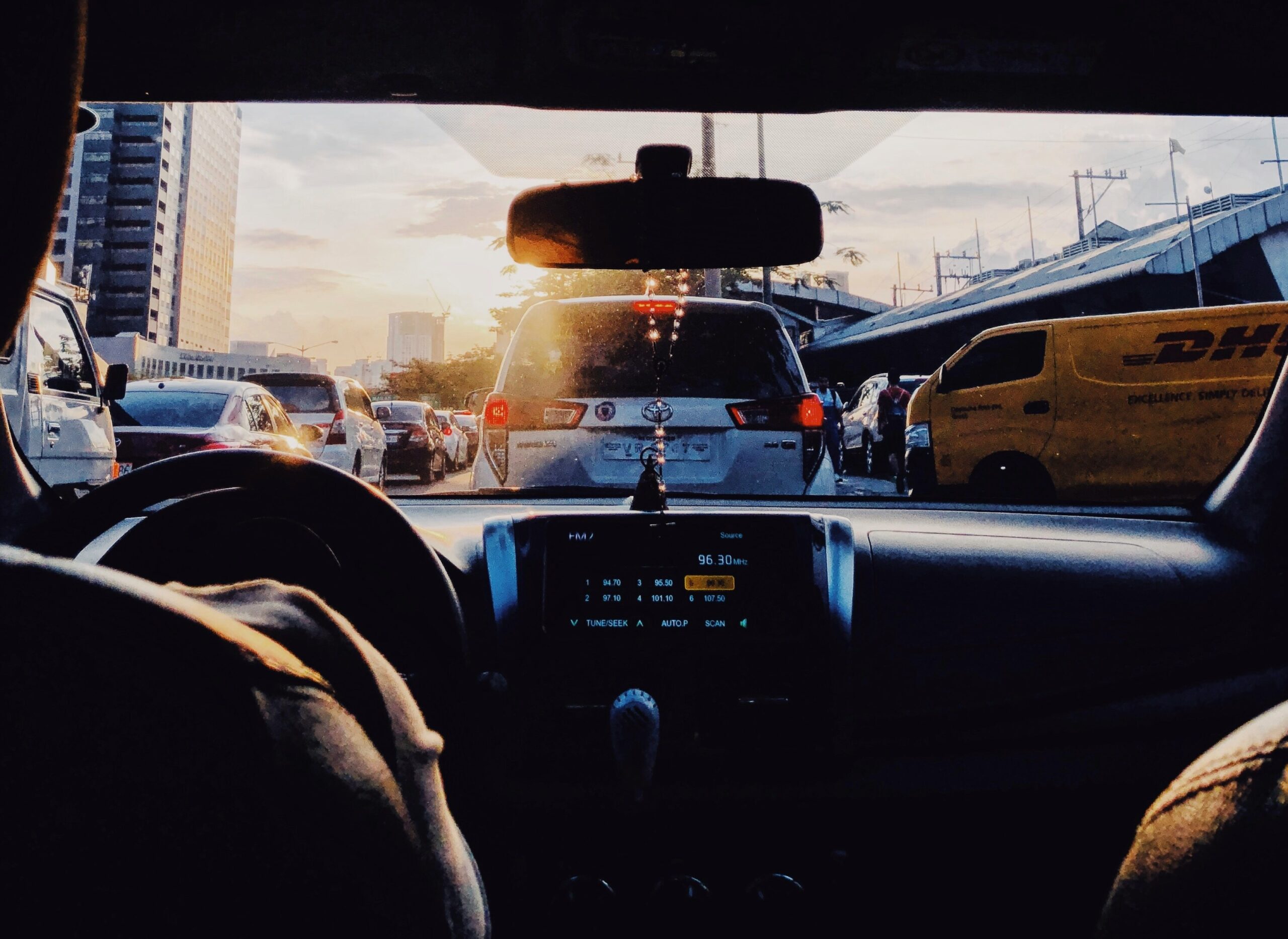
Transportation is where a lot of safety issues pop up in the Philippines. The good news? It’s easy to navigate safely once you know the rules.
Jeepneys and Tricycles
Jeepneys are iconic, colorful, and fun to ride. They’re also where pickpocketing happens most frequently. Keep your bag in front of you, not beside you on the seat. Stay alert, especially during rush hours when they’re packed. For tricycles, always agree on the price before getting in. Write it down if there’s a language barrier. This prevents the classic “I said 150, not 50” argument at your destination.
Ride-Hailing Apps Are Your Friends
Grab is your best transportation option in cities. It’s safer than random taxis, prices are fixed, and everything’s tracked. Download it before you arrive. Have some cash ready, though, because not all drivers accept card payments. For late-night travel, Grab is non-negotiable. Don’t flag down taxis on the street at 2 AM.
Motorcycle Taxis and Habal-Habal
These are common in provinces and islands. They’re not inherently dangerous, but wear a helmet—always. Don’t let drivers convince you it’s fine without one. If they don’t provide helmets, find another ride. Also, these are for short distances. Don’t take a habal-habal for a two-hour mountain ride unless you’re experienced with motorcycles.
Rental Vehicles
Renting a scooter or car? Make sure you have an international driving permit and proper insurance. Philippine traffic is chaotic. Manila traffic is legendary for all the wrong reasons. If you’re not a confident driver, stick to Grab or hire a driver. It costs more but saves you massive stress and potential accidents.
Health and Medical Safety
Your health abroad is no joke. The Philippines has good medical facilities in major cities, but remote islands? That’s a different story.
Vaccinations and Medications
Get your vaccinations sorted before leaving home. Hepatitis A, Typhoid, and routine vaccines are recommended. If you’re heading to rural areas or staying long-term, consider Hepatitis B and Japanese Encephalitis. Bring a comprehensive first-aid kit with basics: bandages, antiseptics, pain relievers, anti-diarrheal medication, and any prescription meds you need.
Pack more prescription medication than you think you’ll need. Pharmacy availability varies wildly between cities and remote islands. Bring copies of your prescriptions with generic drug names—brand names might be different in the Philippines.
Water and Food Safety
Don’t drink tap water. Just don’t. Bottled water is cheap and available everywhere. Brush your teeth with bottled water too, especially in the first few days. Ice in tourist restaurants is usually fine—they use purified water. Street food stalls? Use your judgment. If it’s cooked fresh in front of you and piping hot, you’re probably fine. Raw or lukewarm food from questionable sources is asking for trouble.
Street food is part of the experience, honestly. Balut, kwek-kwek, fish balls—these are generally safe if you eat where locals eat. High turnover means fresh food. Empty stalls with food sitting around? Skip it.
Dengue and Mosquito Protection
Dengue fever is a real concern, especially during the rainy season (June to November). Wear mosquito repellent religiously. Long sleeves and pants in the evening help too. There’s no vaccine available in most countries, so prevention is everything. If you get a high fever, severe headache, or pain behind the eyes, see a doctor immediately. Don’t mess around with dengue.
Scams and Common Tourist Traps
Every tourist destination has scams. The Philippines is no exception. Here’s what to watch for.
The Friendly Stranger Scam
Someone approaches you, super friendly, wants to practice English, or invite you for coffee. Seems innocent, right? Sometimes it is. Other times, you end up at an overpriced bar or restaurant with a massive bill you’re pressured to pay. If strangers are overly friendly and insistent about taking you somewhere specific, trust your gut.
Taxi Scams
Classic move: the meter is “broken.” The fare to the airport suddenly becomes 1,500 pesos instead of 300. Always insist on the meter. If they refuse, get out and find another taxi or use Grab. Some drivers take unnecessarily long routes—having Google Maps running helps you catch this.
Exchange Rate Tricks
Money changers might shortchange you or use sleight of hand to give you less than agreed. Count your money before walking away. Better yet, use ATMs at banks—better rates, more secure. If you must use money changers, go to established ones in malls, not random street vendors.
Overpriced Tours
Book tours through reputable agencies or your hotel. Random people on the street offering “cheap island tours” often deliver subpar experiences or add hidden fees. Do research, read reviews, and book through verified platforms. El Nido, Coron, and Bohol have fantastic tours—make sure you’re booking legitimate ones.
Beach and Water Safety
The Philippines is famous for beaches and diving. Don’t let paradise turn dangerous.
Ocean Conditions
Check weather forecasts and ocean conditions before heading out. Typhoon season runs from June through November, with peak activity in September and October. Strong currents and riptides can be deadly. If locals tell you not to swim, listen to them. They know their waters better than you do.
Stick to designated swimming areas with lifeguards when possible. Island hopping tours usually go to safe spots, but if you’re exploring independently, ask locals about water conditions first.
Diving and Snorkeling
The Philippines has world-class diving. Moalboal, Apo Island, Tubbataha Reef—absolutely stunning. But only dive with certified operators. Check their safety equipment, credentials, and reviews. Cheap dive shops cutting corners on safety aren’t worth the risk. Your travel insurance should cover diving if you’re doing it.
For snorkeling, never touch coral or marine life. Not just for conservation—some things bite, sting, or are poisonous. Jellyfish stings happen. Box jellyfish are rare but dangerous. If you get stung badly, seek medical attention.
Natural Disaster Preparedness
The Philippines sits on the Pacific Ring of Fire. Earthquakes, typhoons, and volcanic activity are part of life here.
Typhoon Awareness
Typhoon season is serious business. Super typhoons can ground flights, flood areas, and cause major damage. Monitor weather reports if traveling during peak season. Have flexible travel plans. Hotels and local authorities give warnings—follow their instructions. Stock up on water and snacks if a typhoon is approaching.
If authorities order evacuations, evacuate. Don’t try to ride it out for the Instagram story. These storms kill people every year.
Earthquake Safety
The Philippines experiences earthquakes regularly. Most are small, but occasionally big ones hit. Know basic earthquake safety: Drop, Cover, Hold On. In buildings, get under sturdy furniture away from windows. If you’re outside, move away from buildings. Coastal areas after big quakes risk tsunamis—head to high ground immediately.
Women Traveling Solo
The Philippines is generally safe for solo female travelers, but extra precautions help.
Dress modestly, especially outside beach areas. The Philippines is predominantly Catholic and conservative. Revealing clothing attracts unwanted attention. In cities, catcalling happens—ignoring it is usually the best response. Avoid walking alone late at night. Use Grab instead of walking or taking public transport after dark.
Stay in reputable accommodations with good security. Female dorms in hostels are great for meeting other solo travelers. Trust your instincts—if a situation feels wrong, remove yourself from it. Most Filipino people are genuinely friendly and helpful, but stay alert.
Emergency Contacts and Resources
Save these numbers before you arrive:
- Emergency Hotline: 911 (works nationwide).
- Tourist Police: 524-1660 (Manila).
- Philippine Red Cross: 143.
- Your country’s embassy contact information.
Download offline maps for areas you’re visiting. Google Maps works offline if you download regions beforehand. This saves you when you have no signal on remote islands.
Travel insurance is non-negotiable. Get comprehensive coverage, including medical evacuation. Medical emergencies requiring air transport from remote islands cost thousands of dollars. Insurance also covers trip cancellations, lost luggage, and theft.
Register with your embassy’s travel program. If something major happens—a natural disaster, political unrest—they can locate and assist you.
Province-Specific Safety Considerations
Mindanao
Parts of Mindanao have travel advisories due to terrorism and kidnapping risks. Siargao and Camiguin are generally safe tourist areas, but do research. Check your government’s travel advisories. Avoid Sulu, Basilan, and parts of Maguindanao. Tourist areas like Davao City are fine with normal precautions.
Manila
Metro Manila has higher crime rates than tourist islands. Stay vigilant in crowded areas like Divisoria, Quiapo, and public markets. Use Grab exclusively for transport. Makati, BGC, and tourist areas are safer, but pickpocketing still happens. Don’t walk around with expensive cameras hanging around your neck.
Tourist Islands
Palawan, Boracay, Cebu, Bohol, these are very safe. Violent crime against tourists is rare. Follow normal precautions about valuables, and you’ll be fine. The biggest risks are sunburn, dehydration, and too much San Miguel beer, honestly.
Final Thoughts on Staying Safe
Look, I’ve laid out a lot of potential problems here. Don’t let this scare you away from the Philippines. I’m giving you worst-case scenarios so you can avoid them. The reality? Most travelers have zero safety issues. They island hop, eat amazing food, dive pristine reefs, and make incredible memories.
The key to safe travel anywhere is awareness, preparation, and common sense. Don’t do things you wouldn’t do at home. Don’t flash wealth, don’t get blackout drunk in unfamiliar places, and don’t ignore local advice. Respect the culture, stay alert, and trust your instincts.
The Filipino people are among the friendliest you’ll meet anywhere. Their hospitality is genuine. When you combine that warmth with smart safety practices, you set yourself up for an incredible trip. The Philippines offers experiences you literally cannot get anywhere else on Earth. White sand beaches, chocolate hills, underground rivers, whale shark encounters, world-class surfing—the list goes on.