
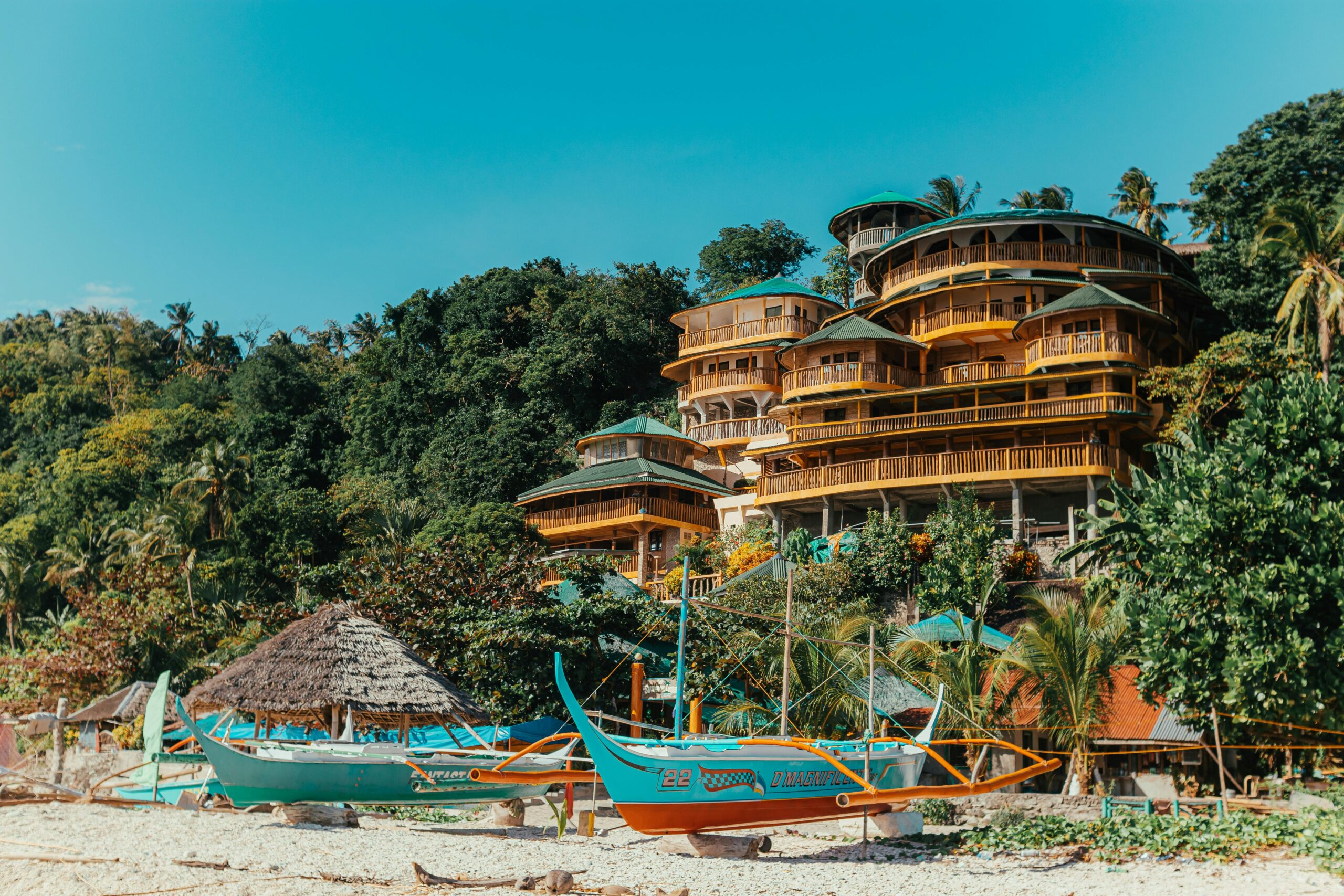
Complete Guide to Starting a Tourist Resort Business in the Philippines
Starting a tourist resort business in the Philippines is one of the most rewarding ventures you can undertake in 2026. With over 7,000 islands and a tourism industry that contributes significantly to the national GDP, the “Pearl of the Orient” is a goldmine for hospitality entrepreneurs.
But let’s be real—building a paradise isn’t just about finding a white-sand beach. It’s about navigating local laws, understanding the market, and creating an experience that keeps guests coming back.
Is Starting a Resort Business in the Philippines Profitable?
If the effort is worth the reward, the short answer is yes. The Philippine Department of Tourism (DOT) has consistently reported millions of international arrivals, complemented by a massive domestic travel market.
- High Demand: Filipinos love “staycations” and nature trips.
- Government Support: Tourism is a priority sector with various tax incentives for new developments.
- Diverse Niches: From eco-resorts and glamping sites to luxury beachfront villas, there is room for every concept.
Step 1: Choose the Right Location and Niche
In the resort world, location isn’t just a physical address; it’s your entire brand. You need to decide who you are catering to before you drive the first stake into the ground.
Popular Destinations for 2026
- Palawan: The gold standard for luxury and eco-tourism.
- Siargao: The capital of surf culture and “digital nomad” vibes.
- Bohol: Perfect for family-oriented countryside and beach combos.
- La Union: The go-to spot for the weekend warrior crowd from Manila.
Defining Your Resort Niche
Don’t try to be everything to everyone. Are you a high-end luxury retreat, a budget-friendly hostel, or an eco-conscious glamping site? Defining this early helps you narrow down land requirements and architectural styles.
Step 2: Legal Requirements and Business Registration
Navigating the Philippine bureaucracy is often the most challenging part of the “Complete Guide to Starting a Tourist Resort Business in the Philippines.” You cannot skip the paperwork.
1. Business Structure
You must register your business with the Department of Trade and Industry (DTI) for sole proprietorships or the Securities and Exchange Commission (SEC) for corporations. Note that for land ownership, foreign investors are generally limited to 40% equity, though long-term leases (up to 50–75 years) are a common workaround.
2. Department of Tourism (DOT) Accreditation
This is non-negotiable if you want to be recognized as a legitimate tourist establishment. DOT accreditation opens doors to government marketing support and ensures you meet international safety and quality standards.
3. Local Government Unit (LGU) Permits
You will need a Mayor’s Permit, a Business Permit, and clearances from the specific Barangay where your resort is located.
4. Environmental Compliance Certificate (ECC)
Since resorts often impact natural landscapes, the Department of Environment and Natural Resources (DENR) requires an ECC. This ensures your project won’t destroy the very beauty people are paying to see.
Step 3: Architecture and Sustainable Design
The “Instagrammability” of your resort is a major marketing tool. However, in 2026, travelers care as much about sustainability as they do about aesthetics.
- Native Materials: Use bamboo, cogon grass, and local stones. Not only is this cost-effective, but it also gives guests an authentic Filipino “Bahay Kubo” experience.
- Climate Resilience: The Philippines is prone to typhoons. Ensure your structures are designed by engineers who understand local weather patterns.
- Eco-Friendly Systems: Invest in solar power, rainwater harvesting, and properly functioning sewage treatment plants (STPs). The government is very strict about water discharge, especially after the Boracay rehabilitation.
Step 4: Financial Planning and Budgeting
How much does it cost to start a resort? There’s no single answer, but you should categorize your budget into three main buckets:
| Category | Typical Expenses |
|---|---|
| Pre-Operating | Permits, legal fees, architectural design, land lease/purchase. |
| Capital Outlay | Construction, landscaping, furniture, kitchen equipment, and pools. |
| Working Capital | Marketing, staff salaries (first 6 months), utilities, maintenance. |
Pro Tip: Always have a 20% contingency fund. Construction in remote island locations often faces delays due to weather or supply chain issues.
Step 5: Staffing and “Filipino Hospitality”
The secret sauce of any Philippine resort is the service. “Filipino Hospitality” is a global brand in itself.
- Hire Locally: It builds rapport with the community and reduces housing costs for staff.
- Training: Even if your staff is naturally friendly, they need professional training in food safety, housekeeping, and emergency response.
- Management: If you aren’t an experienced hotelier, consider hiring a resort manager who understands the local labor laws and operational nuances.
Step 6: Marketing Your Tourist Resort
In a digital-first world, your resort doesn’t exist if it isn’t online.
1. Leverage Social Media
Platforms like Instagram and TikTok are where travel decisions are made—partner with local influencers to showcase the “experience” rather than just the rooms.
2. Direct Booking Website
While OTA (Online Travel Agencies) like Booking.com and Agoda are great for visibility, they take a 15–25% commission. Invest in a professional website with a seamless booking engine to capture direct sales.
3. Search Engine Optimization (SEO)
When people search for “best beach resort in [Location],” you want to be on the first page. Use localized keywords and maintain a blog about local attractions to drive organic traffic.
Final Thoughts on Starting Your Resort Venture
Starting a tourist resort business in the Philippines is a marathon, not a sprint. The initial hurdles of permits and construction are high. Still, the long-term potential in a country consistently ranked among the world’s best travel destinations is unmatched.
Focus on sustainability, respect the local culture, and prioritize the guest experience. If you do those three things right, the profit will follow.
Frequently Asked Questions
Can a foreigner own a resort in the Philippines?
Foreigners can own 100% of the resort business (the operations), but they cannot own the land. Most foreign investors enter into long-term lease agreements or form a corporation with Filipino partners (60/40 rule).
How long does it take to see a return on investment (ROI)?
On average, a well-managed resort in the Philippines sees an ROI within 5 to 8 years, depending on the scale and occupancy rates.